

Articles and Guides to Help You Take the First Step

Resources

Articles and Guides to Help You Take the First Step

Resources

When you are in the middle of a problem with a property, a project, or your child’s education, the hardest part is often knowing what to do first.

These short articles are designed to give you practical steps and clearer thinking before problems grow larger.

For Property Owners

If something feels wrong with your property or with work a contractor has done, these articles help you sort out concern from crisis.
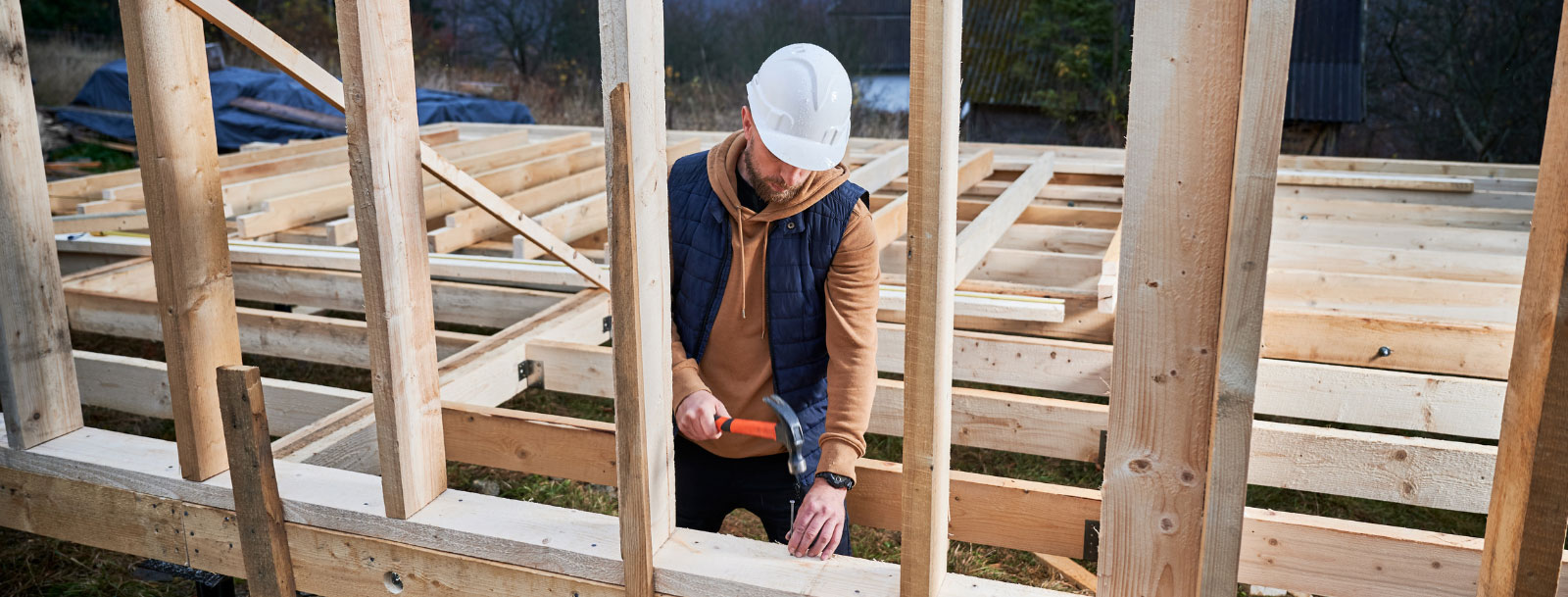

  • Top 5 Signs You Need Help With a Construction Problem in Your Home

    How to tell the difference between small annoyances and serious defects. Learn the five most important warning signs, what they often mean, and what to start documenting right away.

  • What to Do When You Hired a Contractor and They Disappear

    A practical "first aid" article for situations where a contractor has walked off the job or left obvious problems behind. It covers how to stabilize the situation, what to photograph, what paperwork to gather, and how to communicate in writing without making things worse.

  • I Hired a Contractor to Fix My Home (Not Leave It in Shambles), Now What Do I Do?

    Step by step guidance for handling a contractor who has effectively abandoned your project. This article explains how to secure the space, document what was done, organize your contract and payment records, and send one clear written notice that protects your position instead of making the situation worse.

  • The Contractor Put a Lien On Your Home and Will Not Remove It. Now What?

    A plain English walkthrough of what a lien really means, what it does and does not do, and how to respond without panicking or overpaying. Learn how to read the lien, compare it to your actual payments and contract, avoid common mistakes, and understand when it is time to get legal help.

For Parents & Families

If IEP meetings, school emails, and evaluations have left you overwhelmed, these articles can help you regroup and prepare.

  • A Parent’s Guide to Organizing Special Education Records

    How to organize IEPs, evaluations, emails, and notes so the district does not control the story. This article walks through what to request, what to keep, and a simple system that lets you find any key document when you need it.

  • What to Do After a Frustrating IEP Meeting

    A calm, step by step plan for the hours and days after a frustrating IEP meeting. Learn how to capture what happened, write a powerful follow up email, and decide on your next move without acting from anger or panic.

  • Your Child’s Special Education Rights in Plain English: What Are They Entitled to Receive?

    A plain language explanation of what "free and appropriate public education" really means. This article helps you understand what your child is actually entitled to receive so you can recognize when the system is falling short.

For Contractors

If you are running projects under constant pressure from clients, subs, and carriers, these resources help you see when a headache is about to become a real claim.

  • Before You Sign Off on a Commercial Build Out: 5 Things to Check

    Signing off on a commercial build out is supposed to be the final step before a tenant moves in and rent starts flowing.

  • When a Tenant Threatens to Walk Over Building Problems: A Landlord’s Action Plan

    When a tenant threatens to walk, over building issues, it hits every nerve at once. This article provides a calm, step-by-step way to respond when a tenant is threatening to leave over property conditions. Lost rent and the cost of a dark space Possible default under a loan or occupancy covenant Fear of lawsuits, bad reviews, or word spreading to other tenants Pressure to “just fix it” or “just give them what they want” without a clear plan.

  • From Headache to High Risk: 5 Signals Your Project Needs Legal and Insurance Backup

    How to recognize when issues on a job site are likely to trigger serious legal or insurance exposure. This article explains five common signals, what they often mean for coverage and liability, and what to do before you respond to a complaint or demand.

For Commercial Property Disputes

If something feels wrong with your property or with work a contractor has done, these articles help you sort out concern from crisis.

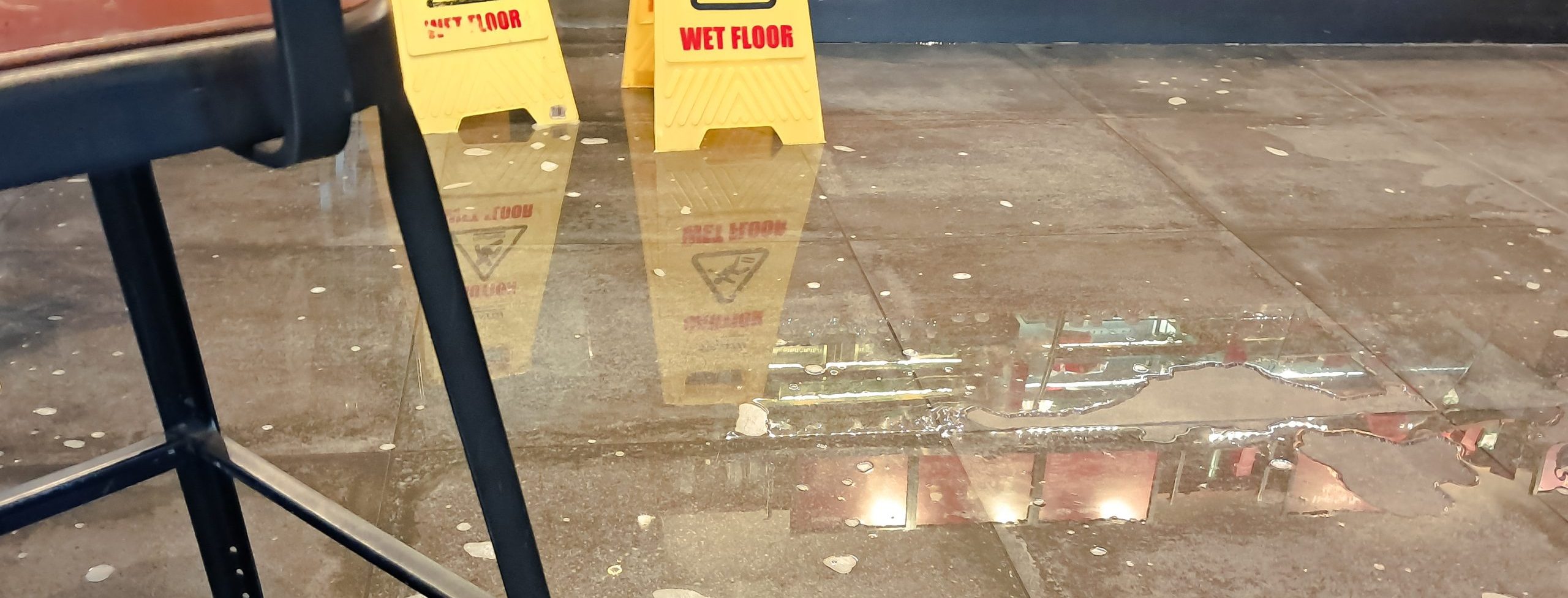
  • When HVAC Problems Become Legal Problems: A Landlord’s Guide to Comfort Disputes

    In a commercial building, “comfort” is not just about preferences. It is about productivity, customer experience, and in some cases, health and safety. Here is how to handle HVAC problems in commercial spaces before they turn into something much bigger.

  • Water in the Walls: How Commercial Owners Should Respond to Repeated Leaks

    A little water spot in a commercial building rarely feels like an emergency at first. Here is how to respond when water keeps coming back, without overreacting or looking the other way.

  • Dealing With Problem Contractors on Commercial Projects Without Blowing Up the Deal

    A difficult contractor on a commercial project does more than slow things down. It puts rent, lender relationships, and tenant trust at risk. Here is a way to manage problem contractors that protects both the project and the deal.

How to Use These Articles

These resources are not legal advice for your specific situation. They are meant to:

  • Clarify what is really going on in your property, project or school situation
  • Help you avoid common mistakes that make problems harder to fix
  • Prepare you to get more value from any consultation, inspection, or meeting

If reading one of these articles confirms that your situation is serious or raises more questions than it answers, that is often a sign it is time for a tailored conversation with Doug.

To get started, reach out to Doug here.