
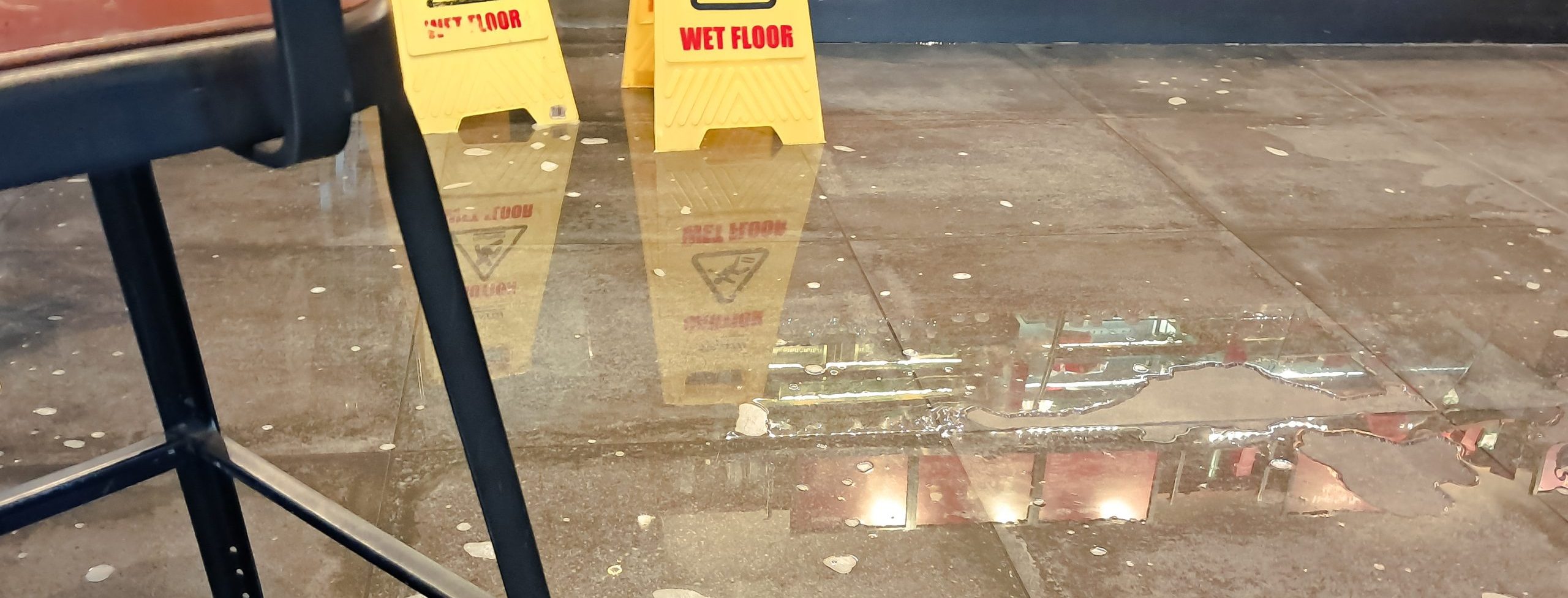
Water in the Walls: How Commercial Owners Should Respond to Repeated Leaks
Maybe it shows up after a heavy rain or heavy plumbing use in an office, retail, or medical space. A contractor patches some drywall, touches up paint, and calls it “normal” or “taken care of.”
Then it shows up again.
Same place. Or somewhere nearby.
Tenants start to notice. So do lenders, buyers, or inspectors.
In commercial properties, repeated leaks are not just a maintenance issue. They are an early warning sign of a bigger problem that can affect:
- Rent and tenant satisfaction
- Operating costs and downtime
- Insurance coverage and recovery options
- The value and financeability of the asset
Here is how to respond when water keeps coming back, without overreacting or looking the other way.
Step 1: Treat the Second Leak as a Warning Light
The first leak might be a fluke. The second, in the same general area, is usually a pattern.
That pattern might point to:
- Failing roof or flashing details above suites or common areas
- Poor waterproofing at exterior walls, windows, storefronts, or doors
- Defective plumbing or penetrations serving restrooms or medical uses
- Design or construction defects in the building envelope
The biggest trap is assuming “it is just another small leak” and authorizing another quick patch.
Instead, when water shows up again in a commercial space:
- Pause before approving cosmetic repairs
- Capture what you see (photos, dates, locations, affected suites)
- Note how long it has been happening and what was done last time
You are building the story of a building‑level problem, not just mopping up stains for a single tenant.
Step 2: Document Like Someone Else Will Read It Later
If the issue grows into a defect claim, tenant dispute, or insurance matter, someone who has never seen the building will be reading your records: adjusters, experts, buyers, or judges.
Make it easy for them to see the pattern.
For each incident:
- Take clear photos: wide shots and close-ups of stains, damage, and any active dripping
- Note the date, approximate time, and weather conditions (rain, wind, etc.)
- Record which suites, floors, or tenants are affected
- Save tenant emails, maintenance tickets, and work orders related to the leak
Create a simple log:
- Date
- Location and tenant
- What was observed
- Short description of any response (patch, inspection, vendor visit)
This does not need to be fancy. It just needs to be consistent and centralized for the property.
Step 3: Bring in the Right Expertise, Not Just the Quick Fix
In commercial buildings, repeated leaks often get the “drywall and paint” treatment. It hides the symptom without answering one critical question:
Where is the water actually coming from in the building system?
At this stage, consider involving:
- A qualified commercial roofing or waterproofing contractor for roof and envelope issues
- A plumber familiar with commercial stacks and risers for suspected line or fixture leaks
- An engineer, if structural elements or life safety might be affected
The goal is to:
- Identify the source, not just the visible damage in one suite
- Understand the likely scope of hidden impact across the structure
- Get an opinion on what a real fix would require in time and money
Be clear with vendors that you want findings in writing, not just verbal assurances to the property manager.
Step 4: Think About Tenants Before They Start Thinking About You
Office, retail, and medical tenants care less about where water comes from and more about how it affects operations and customers.
Unaddressed or recurring leaks can lead to:
- Demands for rent abatements or credits
- Threats to delay opening, move out, or sue
- Complaints to lenders, investors, or online review sites
A better approach:
- Acknowledge the problem early, in writing, to affected tenants
- Explain that you are investigating the source of the issue, not just patching the surface
- Avoid promising specific outcomes or dates until you have facts from qualified vendors
This shows attention and movement without locking you into promises that could hurt your legal or insurance position later.
Step 5: Decide When to Loop in Insurance
Commercial property carriers have specific expectations around water and property damage. Waiting too long or treating everything as “routine maintenance” can complicate later coverage arguments.
It may be time to notify or consult your carrier when:
- There is visible damage to structural components, common areas, or multiple tenant spaces
- Multiple suites or floors are affected by the same recurring problem
- Costs to investigate or repair are likely to be significant
- You suspect the underlying cause may be tied to the original construction or past work
Before contacting the carrier, gather:
- Your incident log for the building
- Photos and videos showing progression over time
- Any inspection or contractor reports that identify suspected causes
- Relevant parts of leases, construction contracts, and prior repair agreements
This gives the carrier a clearer picture and helps frame the issue as more than “another small leak.”
Step 6: Know When Legal Insight Will Help
Legal support becomes important when water issues start to intersect with:
- Potential construction defects or design problems in the building
- Disputes with contractors or prior owners over responsibility for repairs
- Tenant claims, rent demands, or threats to vacate are tied to conditions
- Coverage disputes or hesitation from carriers about paying for investigation or repair
At that point, the question is no longer just “How do I dry this out?” It is:
- Who may ultimately be responsible for the cost across the ownership, contractor, and carrier landscape?
- How do you protect rights under leases, construction agreements, and policies?
- How do you keep this from derailing rent, occupancy, or a planned sale or refinance?
Those are commercial property disputes, not just facilities problems.
Step 7: Aim For a Dry, Stable, and Defensible Asset
The goal is not just to stop seeing stains above one tenant’s ceiling. The goal is to:
- Stop the intrusion at its true source in the building
- Address any meaningful damage to structure, systems, and finishes
- Maintain confidence with tenants, lenders, and investors
- Preserve or improve your position for any future defect or insurance claim
Every decision about repeated leaks can be measured against a simple test: “Does this move me toward a dry, stable, income‑producing property with strong documentation, or away from it?”
Quick patches can feel cheaper in the short term. In repeated leak scenarios, they are often the most expensive choice for a commercial owner.
Next Step
If leaks keep appearing in the same general areas of an office, retail, or medical building and you are not sure whether you are facing a maintenance issue, a defect, or the beginnings of a larger dispute, it may be time to step back and look at the whole picture.
Use the contact form on the website or email Doug with a brief summary of where leaks are showing up, which tenants are affected, and what has been done so far. Doug can review the situation and help you understand whether this is a problem to keep watching, a problem to escalate as a commercial property dispute, or a problem to turn into a claim before it gets more expensive.